
 Back
Back-
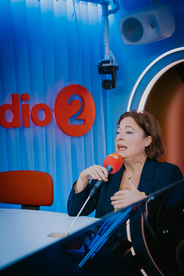 © WinWin – Radio 2

The Flemish Ombudsman Service has been promoting the theme of digital inclusion for years. Digital inclusion means that everyone can participate in the digital society, regardless of age, income, or educational level. Yet recent figures show that 40% of the population is digitally vulnerable. This creates problems for some people when applying for grants, accessing information, and exercising their rights.
On Monday, 1 December 2025, Myriam Parys, Flemish Ombudsman, provided insights into these challenges on the Flemish radio program WinWin. Parys outlined examples of digital procedures that citizens struggle with and called on the Flemish government to continue opting for hybrid services.
What does the Flemish Ombudsman do?
The Flemish Ombudsman identifies bottlenecks related to digital inclusion and reports them in annual reports and recommendations. In addition, the service advises administrations to:
- Continue to invest in hybrid services (both digital and physical): digital channels where possible, physical counters where necessary.
- Ensure that people can still speak to a person and explain their case.
- Communicate clearly and transparently.
- Provide tailored support: digital access points, local helpdesks, and telephone helplines.
- Respect the right to make mistakes: citizens should be able to correct errors without severe consequences.
The Flemish Ombudsman remains committed to raising awareness on this topic among government bodies and administrations in the future.
“Digital inclusion is a basic condition for giving everyone equal opportunities. It’s not just about technology, but about trust and accessibility.”
— Myriam Parys, Flemish Ombudsman
Why is this important?
Digital inclusion ensures that everyone can participate in the digital society, regardless of age, income, or education. Yet recent figures show that 40% of the population is digitally vulnerable. This leads to problems for some people when applying for grants, accessing information, and exercising rights. Those who cannot keep up digitally risk being left behind: something we want to avoid.
Figures that deserve attention:
- 18% of adults in Flanders and Brussels are functionally illiterate.
- 1 in 4 Flemish people avoid digital applications because they are unfamiliar with them.
- 10% of Flemish people never use online government applications.
- 18% of Flemish people who struggle with digital tools rarely or never ask for help.
What Is the Flemish Government doing?
In recent years, the Flemish government has strongly focused on digitizing services, bringing many benefits for citizens. Examples include automatic allocation and processing of procedures and services that can be accessed from home 24/7.
This digitalization offers convenience and efficiency but also creates a digital divide. Grants that can only be applied for digitally, such as those for zero-emission vehicles, Mijn VerbouwPremie, and discount vouchers for energy-efficient appliances (“fridge voucher”) generate many complaints from people who struggle with digital procedures.
Therefore, the government must ensure that everyone can apply for such grants and exercise their rights. This can be achieved by providing diverse channels tailored to citizens’ needs. There are already good examples: service vouchers can be requested digitally but also by phone or email. Public transport company De Lijn is working on an even more user-friendly app. Fortunately, there are many such positive examples.
Currently, the Flemish government is working on a charter outlining how services should look in the future. The Flemish Ombudsman Service does not ask for physical counters everywhere again but insists that the charter includes the possibility for people to speak to a person and explain their case. Give citizens the choice: digital where possible, personal where necessary.
Source: The Flemish Ombudsman Service, Belgium


